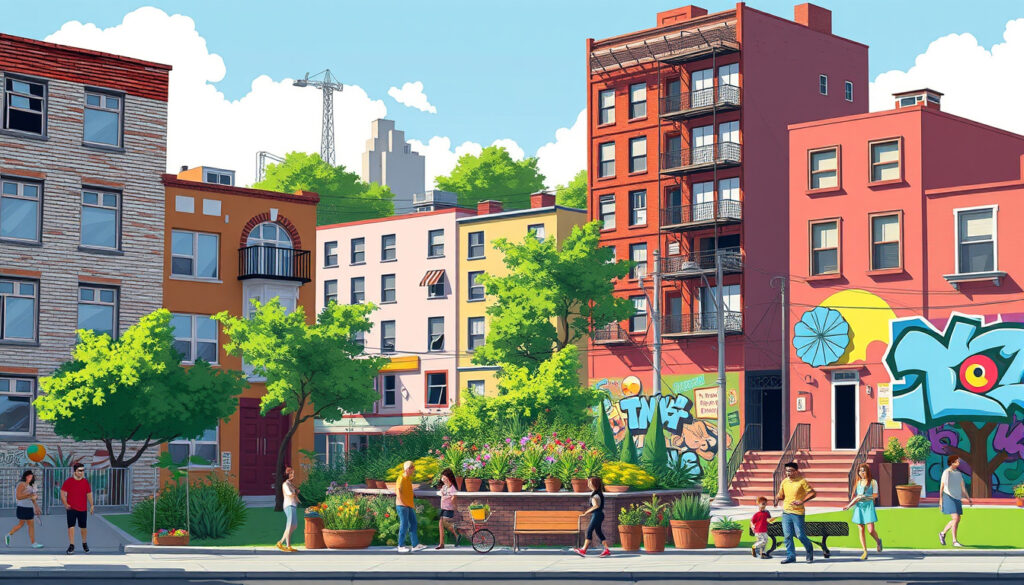
Neglected neighborhoods suffer. They attract disinvestment and decay. New projects in many cities show change is possible. With creative ideas, community input, and green methods, these areas can come alive again. This article shares plans and wins that turn forgotten spaces into places full of life for residents and visitors.
Understanding the Challenge
Neglected neighborhoods face many problems. Abandoned buildings, weak infrastructure, and few services hurt these areas. Residents feel unseen and unwanted. This feeling adds to the cycle of neglect. Yet, change starts when we see hope hidden by past disinvestment.
Engaging the Community
Community input holds the key. Local residents know their spaces well. Forums, surveys, and workshops let them share ideas and set priorities. Their active voice builds a sense of ownership. When residents join plans, they help keep change strong over time.
Creative Reuse of Spaces
Change goes beyond new bricks or repairs. It means rethinking every space. Parks, empty lots, and rundown buildings can serve new roles. An abandoned school can become a center for play and learning. This fresh use of space offers needed services while boosting local business and ties among neighbors.
Collaboration with Local Artists and Entrepreneurs
Local artists and small business owners add unique flair. Murals, art shows, and neighborhood shops help create a clear identity. A painted wall can recall a neighborhood’s past and diverse roots. Spaces for local sellers spark the local economy and strengthen community pride.
Sustainable Practices
As projects grow, green ideas must join in. Adding parks, community gardens, and eco-friendly designs keeps benefits alive. For example, empty lots can become gardens that bring beauty, healthy food, and lessons in green living. These green spots can unite neighbors from different paths.
The Role of Policy and Funding
Local rules and funds play a big part. When cities work with people on the ground, they secure funds for these projects. Public and private teams often join hands to bring money and new policies. Grants, low-interest loans, and tax perks call on developers and nonprofits to invest in these areas. Affordable housing rules also ensure that long-time residents can stay safe in a renewed neighborhood.
Measuring Success
Success is more than neat streets and warm lights. It means a better life for residents. Lower crime rates, rising property values, and stronger local voices show true progress. Community surveys and feedback tell us if people feel safer and happier with the changes.
Conclusion
Turning neglected neighborhoods into vibrant communities is within reach. With teamwork, fresh ideas, and lasting green practices, change happens. Cities show that with the right fuel—people, spaces, and smart planning—what was once seen as waste can become a treasure, renewing not just buildings but also lives.