In a fast-changing political scene, officials may resign because of bad choices. Recently, Senator Duckworth asked for Defense Secretary Hegseth’s resignation. Duckworth, an Army veteran and a member of the Senate Armed Services Committee, made this call after a group chat leak. She saw the leak as careless and dangerous.
In a private chat on the app Signal, Hegseth and colleagues discussed plans for airstrikes in Yemen. They shared details about targets, weapons, and times. Hegseth said the messages did not include secret data. Yet, the texts held sensitive points that should have stayed private. Military plans need close care, and a leak like this risks the safety of operations.
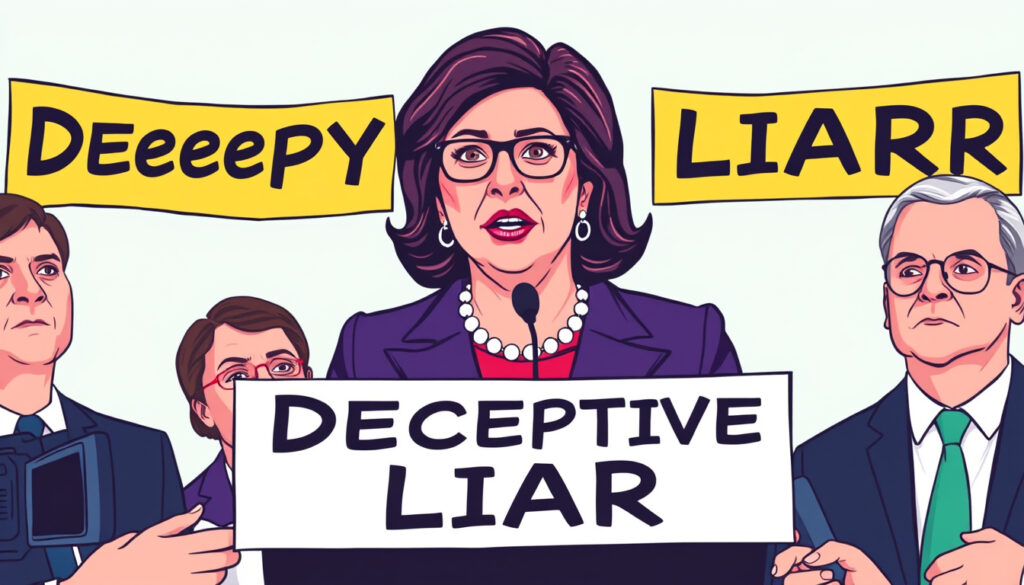
Senator Duckworth spoke firmly. She called Hegseth a “deceptive liar.” He broke rules and put pilots in danger. She said that military plans must stay off open apps. Her words were clear and direct.
Duckworth explained, “Our pilots could have been in danger.” She warned that sharing plans on a public app risks current missions and future trust with allies. Such mistakes make governments rethink sharing secrets. They also change the way countries work together on defense.
Duckworth also raised legal concerns. Any details on targeting or attack plans should be locked away. Hegseth’s claim of a safe split between secret and public data did not match the facts. Her call stands for strict rules that protect national defense.
In today’s digital world, leaders must act with great care. A small slip in judgment can hurt more than just reputations. It can endanger lives and national security. As events unfold, the need for clear rules and careful communication grows.
The misuse of sensitive data risks global safety. Strong and careful leadership is needed in military and intelligence work. Duckworth’s stance reminds us that power comes with a duty. For critics, Hegseth did not meet that mark. The controversy now pushes for better control of military communications. In a world full of threats, loyal and careful military leadership is key.