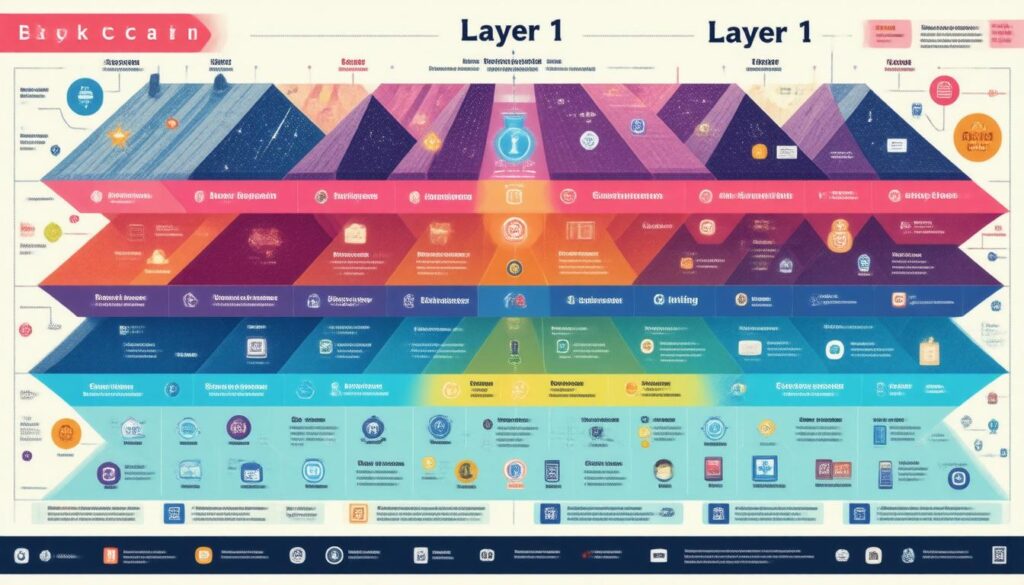
In the fast crypto world, altchains play a key role. They are blockchains that are not Bitcoin or Ethereum. As you scan this sea of crypto, note three layers: Layer 0, Layer 1, and Layer 2. This article unpacks these layers in simple steps to help both new and seasoned users grasp altchains.
What Are Altchains?
Altchains are blockchains that are not Bitcoin or Ethereum. Their growth comes from Ethereum’s slow speed and high fees. Developers build new chains to work better and cost less. Notable examples include Avalanche and Solana. Each tries to fix old problems by using a different design.
The Three Layers of Blockchain
Altchains rest on three supporting layers that work close together. These layers are Layer 0, Layer 1, and Layer 2. ### Layer 0
Layer 0 sits at the base. It builds a network that lets different Layer 1 blockchains work side by side. This layer links chains close together so they can share data. Polkadot shows this link by joining many blockchains in one net.
Layer 1 (L1)
Layer 1 is the main blockchain network. It is where most transactions take place. Bitcoin, Ethereum, and Solana are Layer 1 networks. Each network offers unique features. Bitcoin works as a store of value, while Ethereum runs smart contracts for dApps.
Layer 2 (L2)
Layer 2 sits on top of Layer 1. It helps scale the blockchain by moving many transactions off the main chain. This shift cuts fees and speeds up the process. Polygon is a clear example for Ethereum. Other solutions, like Arbitrum and Optimism, also work to make trades faster and cheaper.
Exploring Altcoins and Their Functionality
Altcoins are coins that are not Bitcoin. They often run on altchains and come in many forms. Some are DeFi tokens, stablecoins, utility tokens, or even meme tokens. Many altcoins are minted on existing blockchains. Knowing these types helps you if you want to invest or learn.
Getting Started with Cryptocurrencies
If you are new to altchains, try starting with Layer 2 or sidechain options with low fees. You can buy coins with cash on centralized exchanges. You may also exchange one cryptocurrency for another. When you get a token like Solana (SOL), set up a fitting wallet, such as Phantom Wallet for Solana.
Bridging Between Chains
Bridging means shifting assets from one blockchain to another. This process may require changing tokens to get a native feel on a new chain. Using cross-chain bridges helps make the shift smooth. It is vital to learn these steps and check for any fees along the way.
Transaction Fees and Explorers
Every trade on a blockchain comes with a fee. These fees are usually paid in the network’s own token. For example, Solana requires SOL tokens for fees. Keep an eye on your wallet balance and fees. If a transaction stalls or goes to a wrong wallet, blockchain explorers help you track what happened.
Conclusion
Altchains and blockchain layers may seem complex at first. Yet, by breaking them into simple parts—you see Layer 0 support, Layer 1 trading, and Layer 2 scaling—they become clear. Whether you are looking to invest in altcoins or just learn about crypto, this basic guide gives you solid ground. Keep exploring and stay informed as you travel the exciting crypto path.